

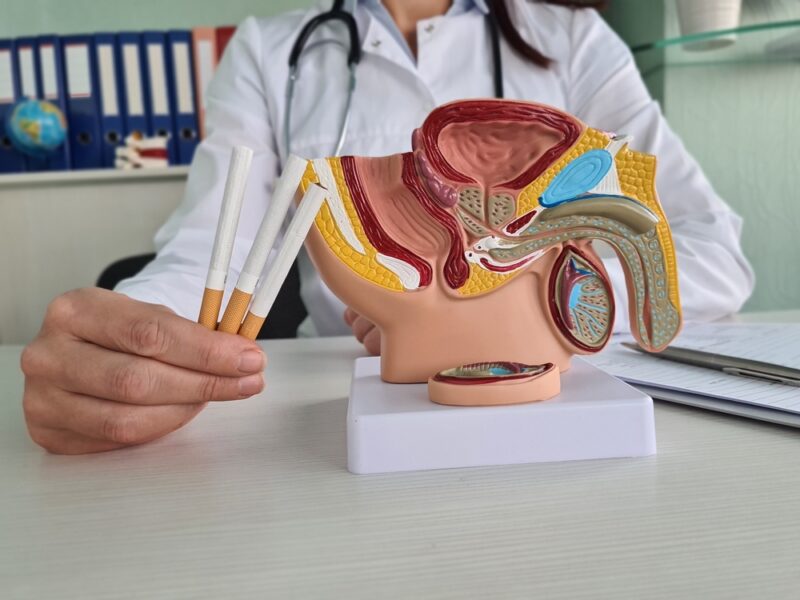
Prostate health is an essential but often overlooked aspect of men’s overall well-being. The prostate is a small gland located just below the bladder, playing a crucial role in the male reproductive system by producing seminal fluid. As men age, prostate issues become increasingly common, making awareness and regular checkups vital for maintaining good health.
In this article, we will explore the basics of prostate health, common prostate conditions, symptoms to watch for, and when to see a urologist for evaluation and treatment.
The Importance of the Prostate
Though small, the prostate has significant functions. It surrounds the urethra—the tube through which urine and semen pass—and contributes fluids that nourish and transport sperm. Because of its location, prostate problems can affect both urinary and sexual functions, impacting quality of life.
Common Prostate Conditions
Several prostate issues can arise, especially as men age:
1. Benign Prostatic Hyperplasia (BPH)
BPH is a non-cancerous enlargement of the prostate gland and one of the most common prostate problems in men over 50. As the prostate grows, it can press against the urethra, causing urinary symptoms such as:
- Frequent urination, especially at night
- Difficulty starting urination
- Weak urine flow
- Incomplete bladder emptying
BPH is not cancer, but symptoms can be bothersome and affect daily life. Treatment options range from lifestyle changes and medications to minimally invasive procedures.
2. Prostatitis
Prostatitis refers to inflammation or infection of the prostate. It can occur suddenly (acute) or persist for months (chronic). Symptoms may include:
- Pain in the pelvic area, lower back, or genital region
- Painful or difficult urination
- Flu-like symptoms with acute prostatitis
- Painful ejaculation
Prostatitis requires medical evaluation to determine the cause and appropriate treatment, which often involves antibiotics or anti-inflammatory medications.
3. Prostate Cancer
Prostate cancer is one of the most common cancers among men worldwide. It typically develops slowly and may not cause symptoms in early stages. When symptoms occur, they can be similar to those of BPH, including urinary difficulties or blood in urine or semen.
Early detection through screening, including prostate-specific antigen (PSA) blood tests and digital rectal exams, is critical for successful treatment outcomes. Treatments vary depending on the stage and may include surgery, radiation, hormone therapy, or active surveillance.
Symptoms That Should Not Be Ignored
Many prostate issues share similar symptoms, so it’s important to pay attention to any changes in urinary or sexual health. Key warning signs include:
- Difficulty urinating or changes in urine flow
- Frequent urge to urinate, especially at night
- Pain or burning during urination
- Blood in urine or semen
- Pain in the lower back, hips, or pelvis
- Erectile dysfunction or painful ejaculation
If you experience any of these symptoms, it is important to schedule an evaluation with a urologist promptly.
When to See a Urologist
Regular checkups and early evaluation of prostate health are vital, especially for men over 50 or those with risk factors such as family history or African American heritage, which are associated with higher prostate cancer risk.
A urologist specializes in diagnosing and treating prostate conditions and can recommend appropriate screening tests, including:
- PSA testing: Measures the level of prostate-specific antigen in the blood, which can be elevated in prostate cancer and other conditions.
- Digital rectal exam (DRE): A physical exam where the doctor feels the prostate through the rectum to check for abnormalities.
- Imaging tests: Ultrasound or MRI may be used for further evaluation if abnormalities are detected.
- Biopsy: If cancer is suspected, a biopsy collects prostate tissue samples for laboratory analysis.
Maintaining Prostate Health
While some risk factors like age and genetics can’t be changed, certain lifestyle habits may support prostate health:
- Healthy diet: A diet rich in fruits, vegetables, whole grains, and healthy fats can promote overall and prostate health. Foods high in antioxidants and omega-3 fatty acids may be particularly beneficial.
- Regular exercise: Physical activity helps maintain a healthy weight and reduce inflammation.
- Avoid smoking: Smoking is linked to increased risk of aggressive prostate cancer.
- Limit alcohol: Excessive drinking can negatively affect prostate health.
- Stay hydrated: Proper hydration supports urinary tract function.
- Manage stress: Chronic stress may impact hormone levels and immune function.
Final Thoughts
Prostate health is an important aspect of men’s well-being that deserves attention and care. Recognizing common prostate conditions and symptoms empowers men to seek timely evaluation and treatment, improving outcomes and quality of life.
If you have concerns about your prostate health or are due for a screening, don’t hesitate to schedule an appointment with a urologist. Regular checkups, combined with healthy lifestyle habits, can help you maintain prostate health for years to come. We recommend Lazare Urology.
