

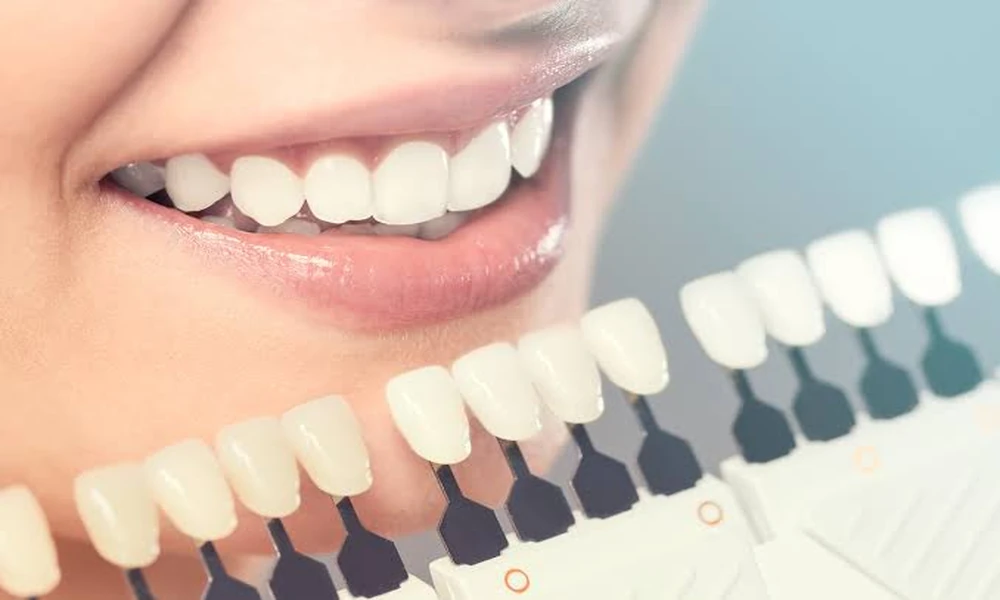
You may already know the feeling. A small chip catches your eye every time you look in the mirror, or stains have made you smile with your lips closed, yet the deeper worry sits somewhere else. Maybe your gums bleed when you brush, maybe a molar feels sensitive, maybe you have put off cleanings because life got crowded. That mix of wanting your teeth to look better and needing them to stay healthy is common, and it is exactly why combining prevention with appearance focused care and aesthetic dentistry in Fairhope works so well.
A bright smile does not last on looks alone. Whitening, bonding, veneers, and other aesthetic treatments sit on top of the foundation created by healthy enamel, stable gums, and routine care. When that foundation is weak, cosmetic work can lose its value fast. When the foundation is strong, results tend to look better, feel better, and hold up longer. That is the real case for a preventive and cosmetic dentistry approach.
Preventive Care Protects the Work Cosmetic Dentistry Depends On
Cosmetic improvements can be exciting because they give you a visible change. Prevention is quieter. You do not always see plaque hardening into tartar, early gum irritation, or a tiny cavity forming near an old filling. You usually notice the problem later, after the cost and discomfort rise.
That is where routine exams, cleanings, fluoride, home care, and early treatment matter. The CDC’s adult oral health tips lay out the basics clearly. Brush twice a day with fluoride toothpaste, clean between teeth daily, limit sugar, avoid tobacco, and keep up with dental visits. Simple habits lower the odds of decay and gum disease, which are two of the biggest threats to both oral health and cosmetic results.
If you whiten teeth without addressing decay, the smile may look brighter while the tooth itself grows weaker. If you place veneers over teeth while gum disease is active, the gums can recede and expose margins that ruin the look. If you straighten teeth but skip maintenance, plaque can collect in hard to reach places and create a different set of problems. The pattern is clear. Cosmetic dentistry works best when it is supported by prevention at every stage.
Healthy Gums Shape the Smile You See Every Day
Most people think about teeth first, but gums frame the entire smile. When gums are swollen, tender, or pulling away from the teeth, even beautiful cosmetic work can look uneven. More than that, gum disease can damage the bone that holds teeth in place. The National Institute of Dental and Craniofacial Research explains gum disease as a progressive condition that often begins with mild inflammation and can move into serious tissue and bone loss if it is ignored.
You might be focused on a wedding, a job interview, school photos, or finally fixing the front tooth that has bothered you for years. Then a dental exam shows bleeding gums or deep pockets. That can feel frustrating, like your plan just got delayed. In reality, it protects you from spending money on cosmetic treatment before the mouth is ready for it. Treating the gums first often makes the final result cleaner, more stable, and far easier to maintain.
This is why many people benefit from a family and cosmetic dentist who sees the whole picture. Children, teens, adults, and older family members all have different needs, but the principle stays the same. Keep the mouth healthy first, then build the cosmetic plan around that health.
Cosmetic Dentistry Has More Value When It Solves Functional Problems Too
Good cosmetic care is not only about color and shape. It often overlaps with function. Bonding can repair a chipped edge that catches on your lip. Crowns can restore a broken tooth so you can chew comfortably again. Orthodontic treatment can improve alignment, which may make brushing and flossing easier. Even replacing missing teeth can support speech, bite balance, and confidence at the same time.
The line between health and appearance is thinner than people think. According to MedlinePlus guidance on dental care, prevention and timely treatment help reduce the risk of pain, infection, and tooth loss. Once those issues start, cosmetic goals often become more complex and more expensive. A small filling and regular cleaning cost less than a root canal, crown, gum treatment, and later cosmetic repair.
Preventive and Cosmetic Dentistry Compared Side by Side
| Approach | Short Term Result | Long Term Effect | Common Risk |
|---|---|---|---|
| Cosmetic treatment without preventive care | Faster visual improvement | Results may fade or fail sooner | Decay, gum recession, hidden damage under restorations |
| Preventive care without cosmetic planning | Better oral health and lower disease risk | Strong foundation for future treatment | Appearance concerns may remain unresolved |
| Combined cosmetic and preventive dental care | Health issues addressed alongside smile goals | More durable, natural looking results | Requires planning and consistent follow through |
That combined path usually gives people the best return on their time and money. You are not paying twice for the same tooth. You are protecting the work before, during, and after treatment.
Small Decisions Now Prevent Bigger Repairs Later
People often wait because the problem does not hurt yet, or because they assume cosmetic care is separate from basic dental care. Then the issue grows. A little discoloration may be harmless, but discoloration paired with rough enamel, old fillings, or gum inflammation tells a different story. A front tooth gap may be cosmetic, but crowding in the back can trap food and raise cavity risk. Lasting smiles come from treating what you see and what you do not.
This is the strength of modern smile care. It is not just about making teeth look straight and white. It is about creating a plan that respects biology, budget, and daily life.
Three Steps You Can Take Right Away
1. Schedule a full exam before choosing cosmetic treatment. Ask for an evaluation of cavities, gum health, bite issues, and old dental work. That first step tells you whether your mouth is ready for whitening, bonding, veneers, or straightening.
2. Tighten up your home care routine. Brush with fluoride toothpaste twice a day, floss or clean between teeth daily, and cut back on frequent sugar exposure. This protects both natural teeth and any cosmetic work you invest in.
3. Build a phased treatment plan. If you need both health and appearance work, ask for the order of care. Many people do best with cleanings and restorative treatment first, then cosmetic improvements, then maintenance visits to preserve the result.
Lasting Smiles Start With a Strong Foundation
You do not have to choose between a healthy mouth and a smile you feel good showing. The best outcomes usually come from both. When prevention supports cosmetic treatment, your smile has a better chance of staying attractive, comfortable, and stable for years. If you have been putting off care because you were not sure where to begin, start with a dental visit that looks at the full picture and helps you map out the next step with confidence.
