

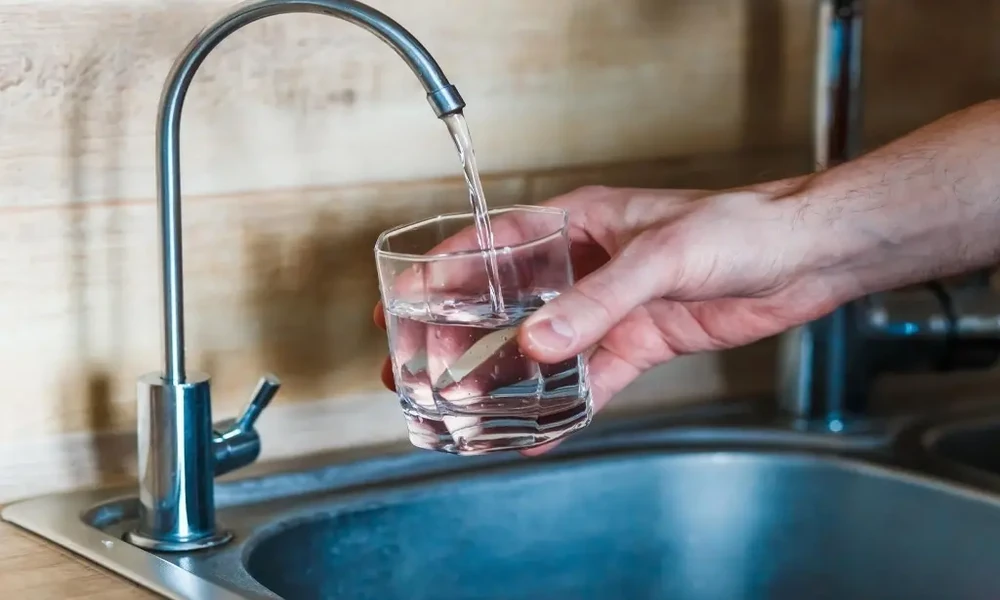
Most people interact with their water utility twice a month: once when the bill arrives, and once when they turn on the tap. That’s it. The rest of the operation, the pumps, the chlorine checks, the line repairs at 2 a.m., happens out of sight.
I grew up in a rural county where the water came from a well, so when I moved into town, I had questions. Where does the water actually come from? Who’s testing it? What happens when a pipe bursts on a Sunday? If you’ve ever opened a utility bill and thought, “Wait, who is this from again?”, you’re in the right place. Systems like the Robeson County Water Department operate quietly under a structure most residents never think about until something goes wrong.
Here’s the short version: a county water department is part public utility, part lab, part emergency service. And it runs on rules that were written long before you moved in. Understanding those rules makes you a better customer, and honestly, a better neighbor.
Where your water comes from before it reaches your tap
County systems draw from one of two places: groundwater wells or surface water like rivers and reservoirs. Which one you get depends entirely on geography. Flat, sandy regions tend to run on wells. Areas near a major river often pull from the surface.
Once the water is sourced, it goes through treatment. That usually means filtration, disinfection, and sometimes the addition of fluoride or corrosion control chemicals. The goal isn’t to make water taste like nothing, it’s to make it safe to drink, cook with, and bathe in for decades without surprises.
The treatment side runs on federal standards. According to the Environmental Protection Agency, public water systems in the United States are required to meet specific contaminant limits under the Safe Drinking Water Act, and they must test for those contaminants on a set schedule. That schedule isn’t optional. Miss it and the state gets involved.
What surprised me most: small systems often have fewer staff than a single big-city treatment plant. A county operation might run on a handful of certified operators covering dozens of pump stations. That changes how fast they can respond, and it explains why a routine repair sometimes takes longer than you’d expect.
What happens when a pipe fails at 2 a.m.
Boil water advisories are the part of this system most people experience firsthand. They’re not random. A drop in pressure, a main break, or a treatment interruption can allow contaminants to enter the lines, so the utility issues a precautionary notice while it tests.
Here’s what a lot of folks get wrong: a boil water advisory doesn’t mean the water is definitely contaminated. It means the system lost the pressure that normally keeps contaminants out, and it can’t prove safety yet. So you boil, you wait, and the utility runs samples until the results come back clean.
The testing side of this is more rigorous than people assume. The American Water Works Association has spent more than a century developing the standards and best practices that utilities follow for everything from pipe materials to disinfection. That’s the layer between “we think it’s fine” and “we can show you the lab results.”
If you’re on a county system and you get an advisory, the practical moves are simple. Boil water for at least one minute, let it cool, and use it for drinking, brushing teeth, and making ice. Your dishwasher and shower are usually fine, but check the notice, because the details vary by situation.
A quick checklist for reading your utility bill like a pro
Most bills look like they were designed in 1994, and some of them were. Here’s how I’d read one:
- Account and CID numbers. These are your identifiers. Keep them handy, because you’ll need them to pay online, set up autopay, or call about a disconnect.
- Usage tier. Rates often increase as usage climbs. A small leak can push you into a higher tier without you noticing.
- Due date versus cutoff date. There’s usually a grace window. Miss the cutoff and you’re looking at a reconnect fee plus a trip to the office or a phone call.
- Payment options. Online portals, drop boxes, bank drafts, and phone payments all exist, and each one has different rules about timing and cash.
One thing worth saying plainly: never put cash in a drop box. If the utility says it isn’t responsible for cash left there, believe it. Check or money order only.
Why small-system logistics matter more than you think
Big utilities have redundancy. Small ones have resourcefulness. A county water department juggling hundreds of miles of pipe, aging infrastructure, and a lean crew is basically running a logistics operation disguised as a billing office.
That’s why you’ll sometimes see the same phone number for payments and reconnects, or a single office handling everything from new service hookups to leak complaints. It’s not disorganization. It’s triage.
And the materials matter here too. The NSF sets the health-based standards that certify the pipes, valves, and treatment chemicals that touch your drinking water. Every fitting in the ground has been tested against those standards. That’s a small comfort when you’re staring at a muddy trench in your front yard, but it’s a real one.
I’d argue small systems deserve more credit than they get. They operate under the same federal requirements as a metropolitan utility with ten times the budget. When they do their job, nobody notices. That’s the whole point.
What to do before you ever need help
Two minutes of setup now saves an hour of panic later:
- Save your account number in your phone and your email drafts folder.
- Bookmark the payment portal and the main office phone number.
- Sign up for electronic billing if the system offers it, so you don’t miss a cutoff notice in a junk drawer.
- Know where your main shutoff valve is. If a pipe bursts inside your home, that valve is the difference between a repair and a remodel.
The bottom line for anyone on a county system
A water utility is one of those services you only appreciate when it stops. Behind every bill is a source, a treatment process, a testing schedule, and a crew that answers the phone when your service gets cut.
So the next time your bill shows up, take thirty seconds and look at it properly. Know your account number, know your due date, and know who to call. If something looks off, call before it becomes a disconnect. And if you’ve never actually read your utility’s rate sheet, that’s a fine place to start this week.
What’s the one thing about your water service you’ve always wondered about but never bothered to ask?
