

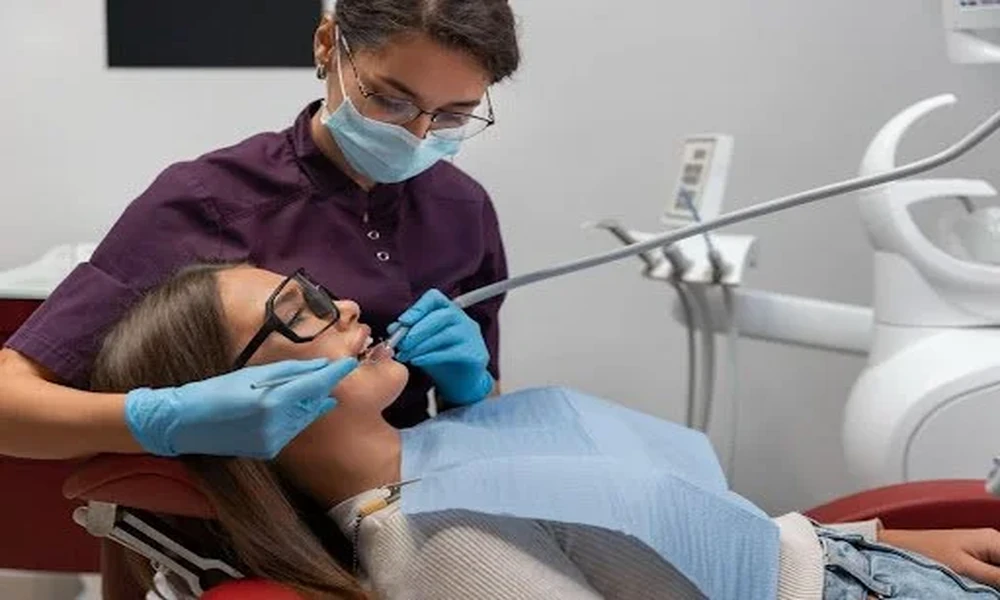
If you have more than one child, getting everyone to the dentist can feel like a full logistics project. One child is nervous, another has soccer practice, someone forgot their toothbrush in the car, and the calendar already looks packed. You are not failing at family routines. You are dealing with real scheduling pressure, and Crest Hill Family Dental dental services often get pushed around because daily life is loud.
The good news is that coordinating sibling dental appointments gets easier when you treat it like a system instead of a one time scramble. A few small choices can cut down on missed school, repeated trips, and last minute stress. That matters because regular dental care is part of a child’s overall health, and national data from the CDC on dental visits shows that preventive care is a normal part of pediatric health for many families.
Back to back family dentist visits reduce stress before it starts
Separate appointments can look manageable when you book them, then reality hits. One visit lands during nap time, another conflicts with work, and a third gets canceled because a sibling has a fever. The more moving parts you add, the easier it is for one child’s routine care to slide.
Back to back or same block scheduling often works better for a busy household. If your children are close in age and have similar needs, ask your family dentist whether they can be seen in consecutive slots. If one child needs extra reassurance, place that child first so the rest of the visit does not build into dread. If one child tends to do well and move quickly, put that child first instead. You know the personalities in play. Use that.
This is one of the simplest ways to improve managing dental visits for siblings because it reduces repeat travel, repeat check in, and repeat disruption to your day.
A shared calendar prevents the usual appointment pileup
Memory is not a scheduling tool, especially when you are juggling school events, sick days, work meetings, and sports. Dental appointments need one home. A shared phone calendar, paper planner on the fridge, or family scheduling app all work if everyone who helps with childcare can see it.
Add more than the appointment time. Include drive time, forms, insurance cards, and any care instructions. If one child may need X rays, sealants, or a longer cleaning, block more time than you think you need. That extra space protects you from the rushed feeling that turns a normal visit into a tense one.
For younger children, it also helps to mark the appointment visually a few days ahead. A simple note like “dentist on Thursday after school” gives them time to adjust. If a child is going to a first visit, guidance from UAB on preparing for your child’s first dental appointment can help you set the tone without building fear.
Pre appointment routines make sibling dental scheduling smoother
Children do better when the day feels predictable. Hunger, poor sleep, and rushed mornings can turn a routine cleaning into a hard visit. You do not need a perfect system. You need a short routine that lowers friction.
Have your children brush before leaving. Bring water. Pack a small comfort item for younger kids. If one child tends to get restless while waiting for a sibling, keep a quiet activity in your bag. Tablets can help, but coloring books, sticker pads, or a favorite book often work just as well in a waiting room.
It also helps to explain what will happen in plain words. Teeth will be counted. Teeth will be cleaned. The dentist will look to make sure everything is healthy. The CDC shares practical oral health tips for children that can support these conversations at home and reinforce the idea that dental visits are part of normal care, not a punishment.
Practical planning choices save time and money
When parents try to fit each child in wherever space opens up, the hidden cost shows up later. More gas, more time off work, more school absences, more chances to forget a follow up. Grouping appointments may not be possible every time, especially if one child needs treatment and another only needs a cleaning, but it is usually worth asking for the most efficient setup.
| Approach | What it looks like | Main benefit | Main drawback |
|---|---|---|---|
| Separate appointments | Each child comes on a different day | More flexibility for individual needs | More trips, more calendar strain |
| Back to back sibling visits | Children are scheduled in consecutive time slots | Less travel and less missed school or work | Longer single visit if children are anxious |
| One child plus tag along sibling | Only one child has an appointment, the other comes along | Good for helping a nervous child observe first | Can be hard if the waiting child gets bored |
| Split care plan scheduling | Cleanings together, treatment visits separate | Balances efficiency with individual care needs | Takes more planning up front |
A smart middle ground often works best. Preventive visits together, treatment visits apart. That is often the most realistic version of sibling dental appointment planning for families with different ages and different dental needs.
Behavior and age differences need different appointment strategies
A toddler and a ten year old should not be expected to move through a dental visit the same way. If your youngest needs extra time to settle in, avoid stacking that child after an older sibling who is already impatient to leave. If one child has sensory sensitivities, ask for a quieter time of day. Early morning slots often help children who get overwhelmed later in the day.
If one child needs treatment and another only needs a checkup, do not force both into the same structure if it will backfire. Efficiency matters, but a smoother experience matters too. The goal is not just getting through the door. The goal is building a routine your children can handle without dread.
Three steps you can take today to organize dental appointments for kids
1. Call and ask for family block scheduling. Ask whether your dentist offers consecutive appointments for siblings, and mention each child’s age and any concerns ahead of time.
2. Build a one page dental checklist. Include appointment dates, insurance details, medications, comfort items, and any questions you want to raise during the visit.
3. Prepare your children the night before. Confirm the time, lay out what they need, and explain the visit in calm, simple language so the morning feels familiar instead of rushed.
Consistent routines make family dental care easier to keep
You do not need a flawless schedule to keep up with your children’s oral health. You need a routine that fits your real life, one that expects sibling dynamics, busy calendars, and the occasional hard day. Small planning changes can make organizing dental appointments for kids feel much less heavy.
If your family has been putting off visits because the scheduling alone feels exhausting, start with one phone call and ask for the simplest setup available with a family dentist. That is often enough to turn a stressful task into a manageable one.
