

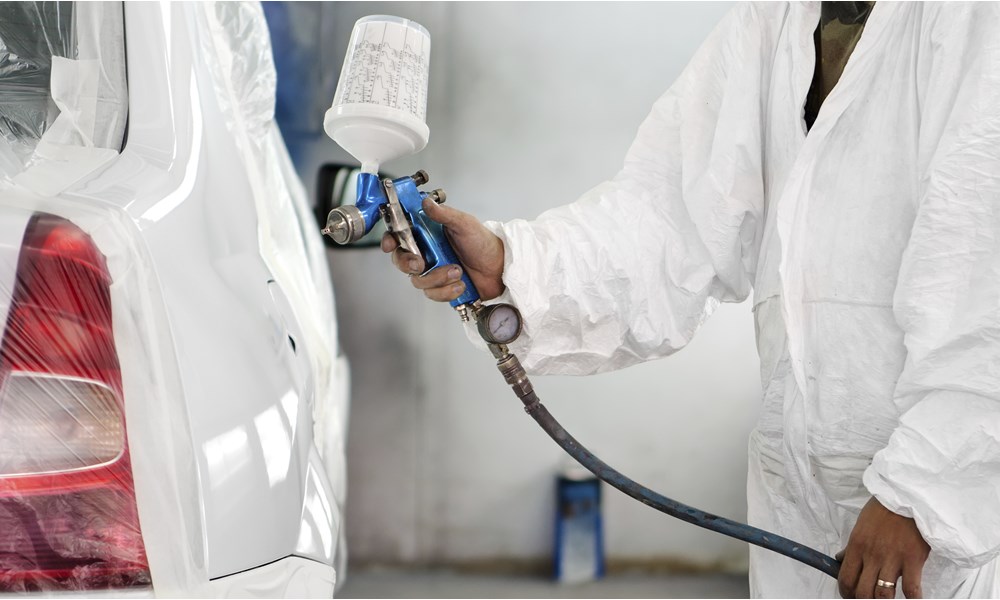
Factory paint looks good on day one. A year of daily driving tells a different story: hood chips from freeway gravel, door edge scuffs from tight parking lots, faint scratches along the rocker panels from road grit. None of it happens dramatically. It accumulates quietly until the car looks older than it is. Paint protection film exists to interrupt that process, and for daily drivers, the case for it is stronger than most people realize. For San Leandro drivers dealing with I-880 debris and industrial route traffic, go here to see exactly what PPF coverage options are available.
What PPF Actually Does?
Paint protection film is a clear thermoplastic urethane layer applied directly over painted surfaces. From ten feet away, a properly installed film is invisible. What it does is act as a sacrificial barrier absorbing the minor impacts, abrasion, and surface contact that would otherwise reach the factory paint underneath.
The film conforms to body panels through precision-cut patterns. It flexes with the vehicle. Quality PPF also carries a self-healing surface property, so light surface marks from daily contact can diminish with heat exposure, keeping the film looking clean without any intervention. Longevity on a well-installed film runs five to ten years, even under daily commuter conditions.
Where Daily Drivers Take the Most Paint Damage?
It’s always the same zones. Front bumper and hood leading edge from freeway debris. Door edges from parking lot contact. Mirrors from street parking. Rocker panels from road spray and grit kicked up at speed. These aren’t random – they’re the surfaces that face the most exposure during normal driving.
San Leandro routes amplify this. Heavy commercial truck traffic on freeway connectors throws more debris than typical suburban roads. Industrial corridors generate road grit. Construction zones near warehouse districts mean loose aggregate on pavement regularly. The paint damage calculus for a vehicle commuting through this environment daily is different from a car that occasionally runs errands.
Repair vs. Prevention: The Real Cost Comparison
A single paint correction to address chips and surface scratches on a front bumper runs several hundred dollars – and that’s for cosmetic restoration, not structural repair. PPF installed upfront costs more than that, but it covers multiple panels, lasts for years, and eliminates the recurring repair cycle. For anyone planning to keep a vehicle long-term, or who wants to protect resale value, the math consistently favors prevention over repeated correction.
Right Coverage is Important
Full vehicle PPF is an option, but it isn’t the only one. High-impact zone coverage – front bumper, hood, mirrors – addresses the areas that take the most punishment without covering the entire car. Full front-end coverage works well for frequent freeway drivers. Extended coverage adds doors and rockers for vehicles exposed to tight urban parking. The choice depends on how and where the vehicle gets driven. A technician evaluation makes that call clearer before any commitment is made.
PPF Vs Ceramic Coating
A common point of confusion. Ceramic coating protects against environmental contaminants and makes cleaning easier. PPF absorbs physical impact. They serve different purposes – and many drivers add ceramic coating over PPF to get both benefits from a single installation investment.
The Straightforward Answer
For daily drivers covering real miles on real roads, paint protection film is not a luxury add-on. It’s practical, durable, and measurably cheaper than the alternative of periodic paint correction.
