

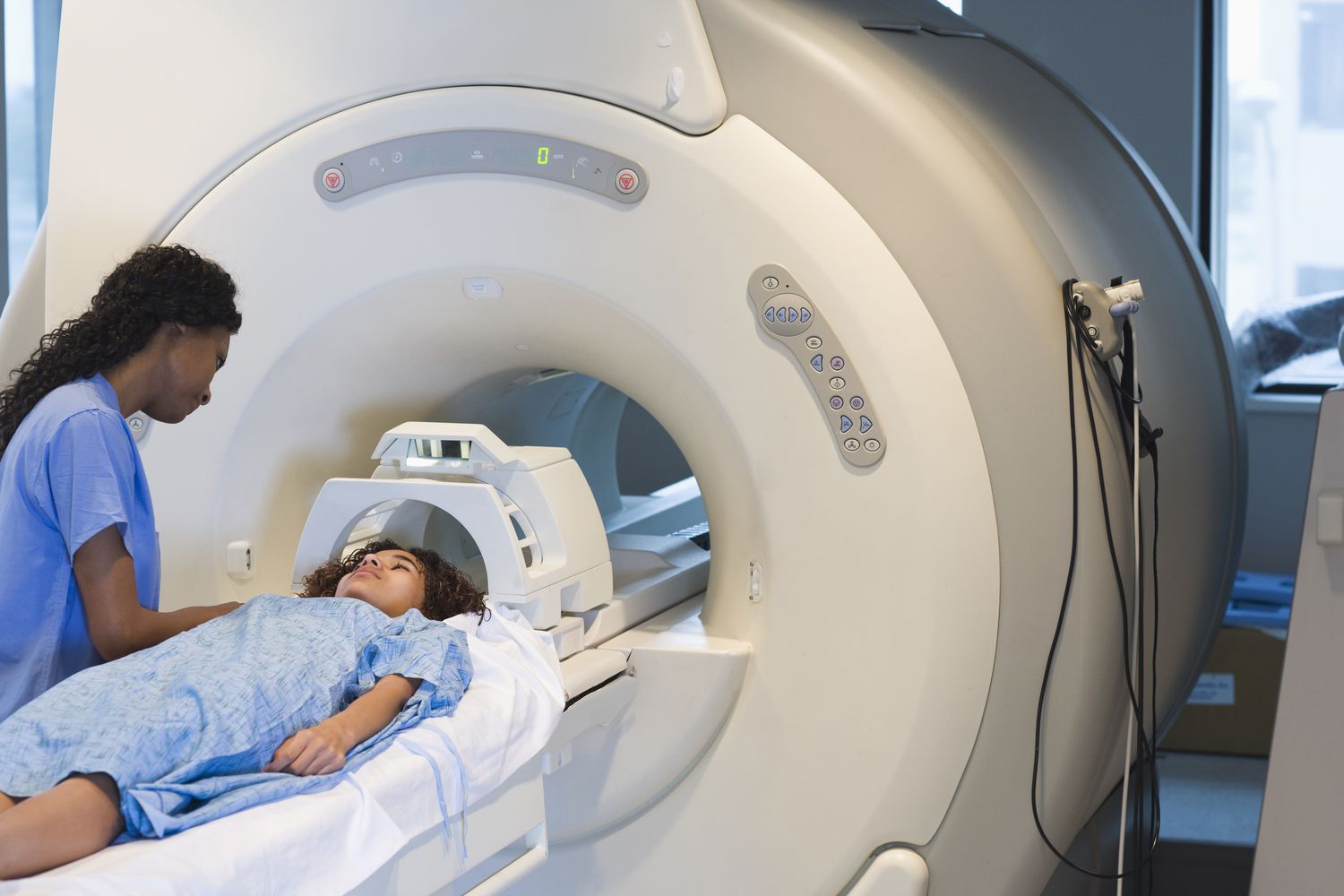
Discussions on the benefits of preventive healthcare are becoming more common in Dallas and other metropolitan areas. Those seeking information on advanced forms of diagnostic imaging may run across systems like Prenuvo, information on a procedure like MRI scan by Papillon, or the benefits of a whole body scan, which promises proponents the ability to view several organs and tissues at once, creating a broad view of the human framework. Though not intended to replace routine medical check-ups and examinations, this form of diagnostic imaging has been referenced in discussions of proactive healthcare.
Understanding How Whole Body MRI Works
A whole-body MRI or magnetic resonance imaging (MRI) scan uses strong magnetic fields and radio waves to produce highly detailed pictures of the internal body structure. MRI scans do not depend on any type of radiation for producing images of body parts, making them quite different from CT or X-ray scans, which rely on ionizing radiation.
Advanced whole body systems usually scan the body from head to mid-thigh levels. The aim is to examine the different body parts, such as the soft tissue, organs, bones, blood vessels, and joints, through a single session. This scan does not seek to find a specific symptom in the body but offers a comprehensive view.
Neurological and Brain Assessments
Part of these areas includes the brain, which is one of the core areas examined through a whole body MRI. Here, there are possibilities of identifying structural problems, the presence of tumors, and even signs of previous strokes. In addition to this, there are chances of identifying white matter problems, which are known to cause certain neurological conditions. However, these have to be interpreted in a larger context and under the supervision of appropriate and experienced medical experts.
Detection of Masses and Organ Abnormalities
Whole-body MRI scans are often talked about in terms of the identification of suspicious growths or masses. This machine can scan body organs such as the liver, kidneys, pancreas, lungs, and lymph nodes. At times, the machine may identify the presence of lesions or any structural abnormalities.
Nevertheless, detection does not necessarily equate with disease. Many abnormalities detected by imaging investigations will be considered non-diseased or incidental in nature. Usually, any abnormalities in this category will necessitate further diagnostic investigations in order to establish their significance.
Cardiovascular and Vascular Observations
Although whole body MRI is not intended as a cardiac stress test, it is worth noting that useful information may be obtained regarding the structural status of the heart and the large vessels. The scan may reveal, for instance, an enlargement of the cardiac chambers, anomalies in the cardiac structure, or an enlargement of the large vessels such as the aorta. Such an aspect may prove especially important in certain individuals due to their family history.
Musculoskeletal and Spinal Evaluation
MRI technology is specifically useful in imaging soft tissue and spine abnormalities. Complete body examination may show degenerative disc disease, disc herniation, joint inflammation, or tendon and bone marrow abnormalities. MRI is particularly effective in showing the details of connective tissue, so it may be helpful in musculoskeletal evaluations even in asymptomatic people.
Abdominal and Pelvic Imaging
Advanced systems for scanning the entire body also offer detailed images of various organs in the abdominal and pelvic regions. The scanning session may reveal liver cysts, fatty liver disease, cysts in the kidneys, abnormalities in the pancreas, anomalies in the adrenals, or abnormalities in reproductive organs. These could be normal, and some may require closer medical attention.
The Role of Clinical Context
Another very important aspect of whole body imaging is the possibility of incidental findings, which are unexpected abnormalities in the image that either could or could not be related to an individual’s health. Even though incidental findings have their benefits in terms of earlier detection when an individual has an illness, there is also the possibility that these could cause further confusion. It is in this context that medical professionals always warn about the need for proper context over the results obtained.
In the Dallas area or other urban healthcare settings, whole-body MRI remains under discussion within the context of preventive imaging. Whether conducting research on the Prenuvo scan or attempting to familiarize oneself with an MRI scan by Papillon, knowledge of what each individual scan is capable of detecting is vital. As comprehensive imaging may provide structural information on a variety of different organ systems, it nevertheless represents merely one of many components of an overall healthcare strategy.
