

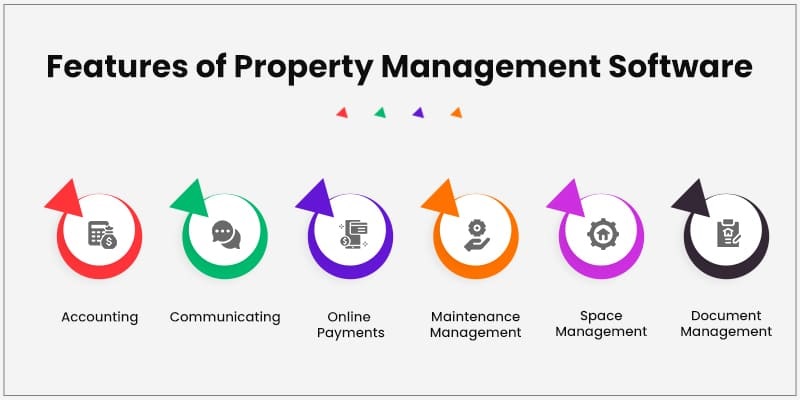
In today’s competitive real estate market, managing residential properties efficiently is key to maintaining profitability and tenant satisfaction. Residential property manager software has become an indispensable tool for landlords, property managers, and real estate professionals who want to streamline operations, reduce administrative burdens, and enhance communication with tenants. This ultimate guide provides a comprehensive overview of residential property manager software, its essential features, benefits, and how to select the right solution.
What is Residential Property Manager Software?
Residential property manager software is a digital platform designed to assist property owners and managers in handling the various tasks associated with managing residential rental properties. Whether managing a single-family home, a multi-unit apartment building, or a portfolio of rentals, this software centralizes operations like tenant management, rent collection, maintenance tracking, and financial reporting into one convenient system.
Key Features to Look For
Tenant and Lease Management
A fundamental feature is the ability to organize tenant information, store lease agreements, and track lease durations. Efficient tenant management tools ensure you never miss renewal dates and can quickly access tenant contact details and rental histories.
Automated Rent Collection
Streamlined rent collection helps maintain steady cash flow. The software often includes online payment portals, automated reminders, and payment tracking. These features reduce late payments and simplify the rent collection process for both landlords and tenants.
Maintenance and Repair Management
Handling maintenance requests promptly is critical to tenant retention. The software should allow tenants to submit repair requests, which can be tracked and assigned to service providers. Keeping a maintenance log helps in managing budgets and ensuring timely repairs.
Financial Reporting and Expense Tracking
Comprehensive financial management features provide insights into income, expenses, and profitability. Look for customizable reports that assist with budgeting and tax preparation. Expense tracking per property allows for better cost control and forecasting.
Communication Tools
Effective communication between landlords and tenants is essential. Integrated messaging systems enable landlords to send notices, payment reminders, and updates efficiently. Having all communication in one place improves record-keeping and transparency.
Document Storage and Organization
Digital document storage reduces paperwork clutter. Storing leases, inspection reports, and legal documents securely within the platform ensures quick access and protects sensitive information.
Mobile Access and Cloud-Based Platforms
Cloud-based software accessible via mobile devices provides flexibility for property managers to oversee their properties from anywhere. Mobile apps enhance responsiveness and allow real-time updates.
Benefits of Using Residential Property Manager Software
Increased Efficiency: Automates routine tasks and centralizes data, reducing manual work.
Improved Accuracy: Minimizes human error through automated reminders and payment tracking.
Better Tenant Experience: Faster response times and clear communication build tenant trust.
Enhanced Financial Control: Detailed reports and tracking facilitate better budgeting and decision-making.
Scalability: Software can grow with your portfolio, accommodating new properties and features.
How to Choose the Right Software
Selecting the ideal residential property manager software depends on your specific needs and portfolio size. Consider the following:
Features: Match the software’s capabilities to your management priorities.
Ease of Use: A user-friendly interface encourages regular use and reduces training time.
Customer Support: Reliable support ensures issues are resolved promptly.
Cost: Evaluate pricing models, including free trials or tiered plans.
Integration: Look for software that integrates with accounting, marketing, or other essential tools.
Conclusion
Residential property manager software is a transformative tool that empowers landlords and property managers to streamline operations, improve tenant relations, and maintain financial oversight. By centralizing key functions such as tenant management, rent collection, maintenance coordination, and reporting, these platforms simplify complex workflows. Investing time to select the right software tailored to your needs can lead to increased efficiency, profitability, and professional property management.
